Strategy, Trust, Economics and Performance — executive perspectives by Stefano Rosa Rosso.
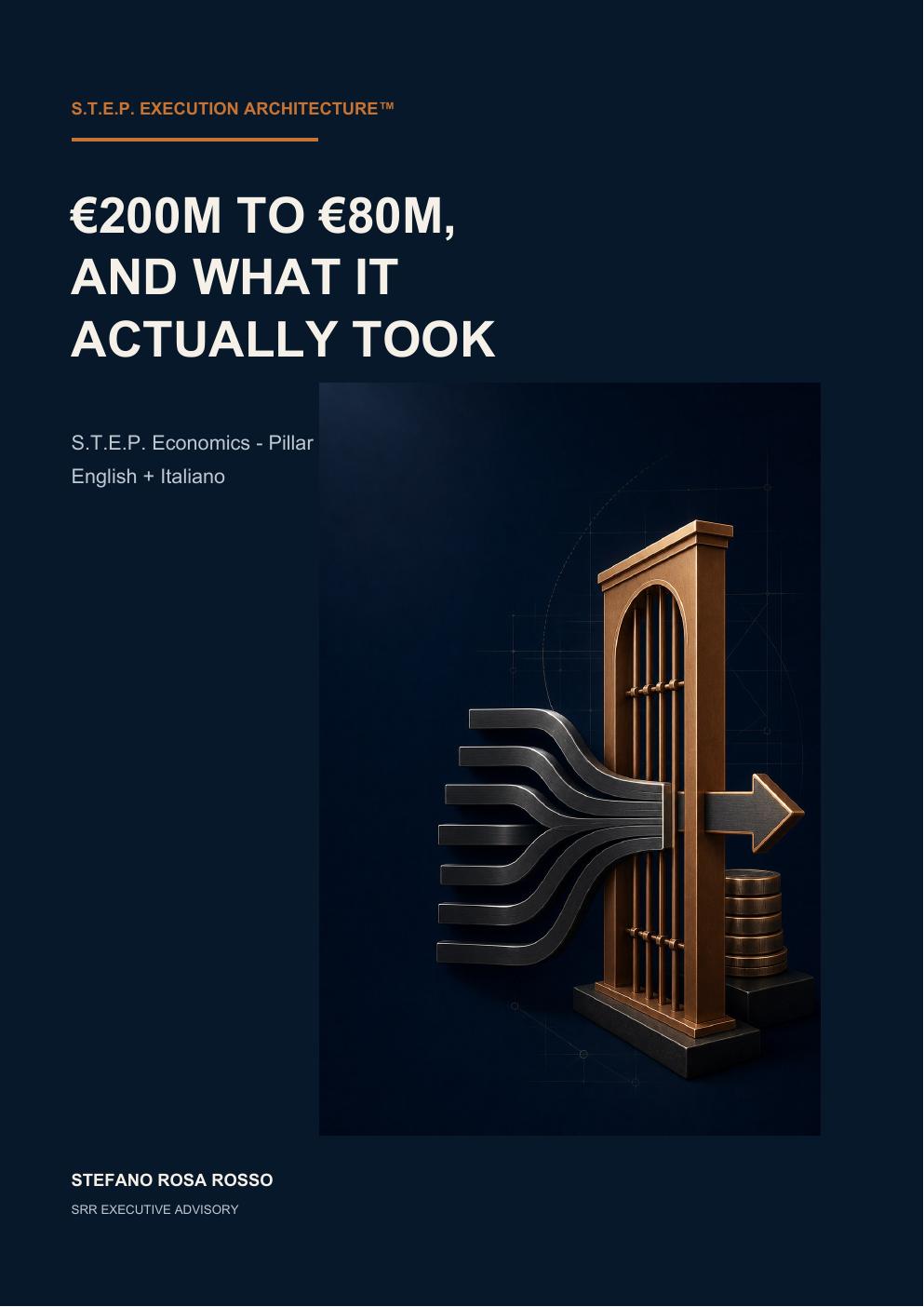
Economics
What remains after the advisory mandate?
Read the original post on LinkedIn
The Three-Ledger Audit examines capital committed, capability retained internally and residual dependency on the supplier. The linked post explains the broader demand governance behind €200M becoming €80M in ninety days: spend visibility, an insourcing-first gate, mandate consolidation and sunset discipline. For CEOs and boards, the audit supports scrutiny of advisory mandates; the financial result belongs to demand governance, not to the audit alone. Read the guide. S.T.E.P. Diagnostic™ Briefing. Follow on LinkedIn.
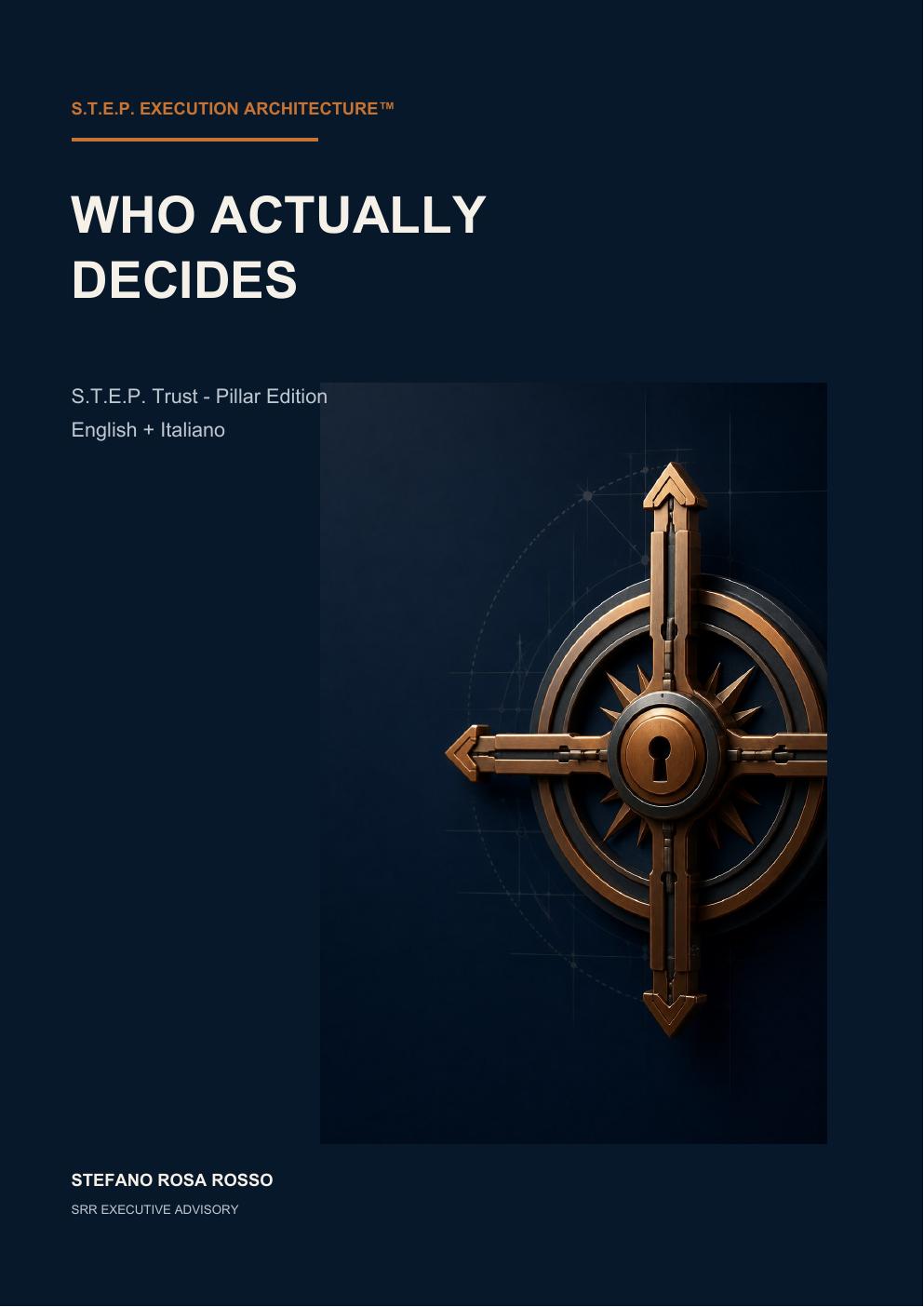
Trust
Who can stop the next funding commitment?
Read the original post on LinkedIn
The Decision-Rights Matrix defines authority, accountability, thresholds and escalation across capital, people, risk and timelines. For a CEO and board facing a contested investment, the next question is who may continue, reset or stop the commitment. Stefano Rosa Rosso connects the evidence gate to a named decision-maker. An advisor can challenge the case; authority and responsibility must remain explicit inside the organisation. Read the guide. Boardroom Sparring. Follow on LinkedIn.
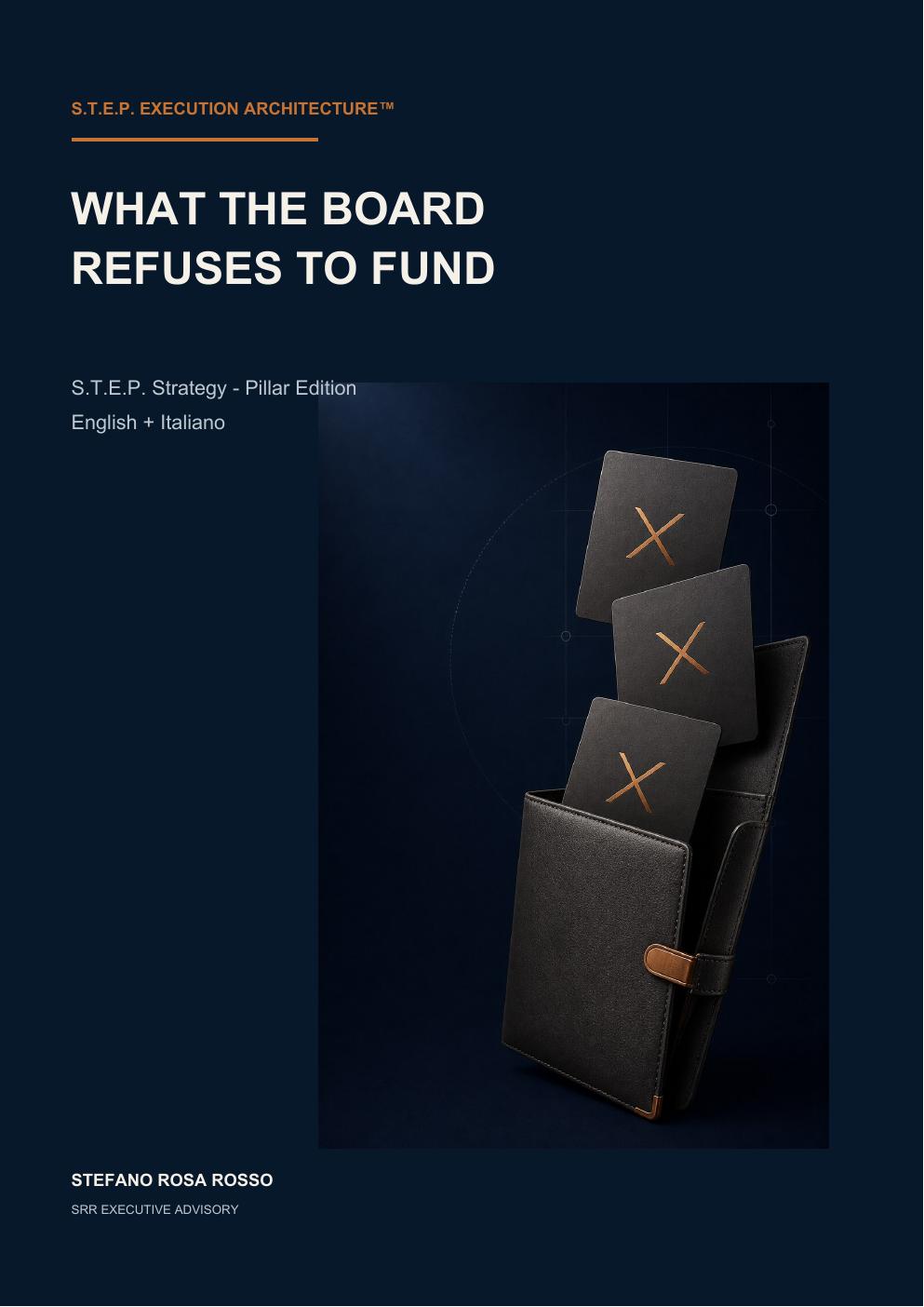
Strategy
Three choices that make growth executable
Read the original post on LinkedIn
The Three Trade-Offs Test identifies the customer segment receiving fewer resources, the capability not built internally and the initiative losing funding priority. In Stefano Rosa Rosso’s S.T.E.P. approach, those choices belong in the board discussion before a growth plan receives capital. Write each exclusion in one sentence, then check whether budgets and operating capacity reflect it. An attractive forecast cannot resolve contradictory resource choices for the CEO. Read the guide. S.T.E.P. Diagnostic™ Briefing. Follow on LinkedIn.
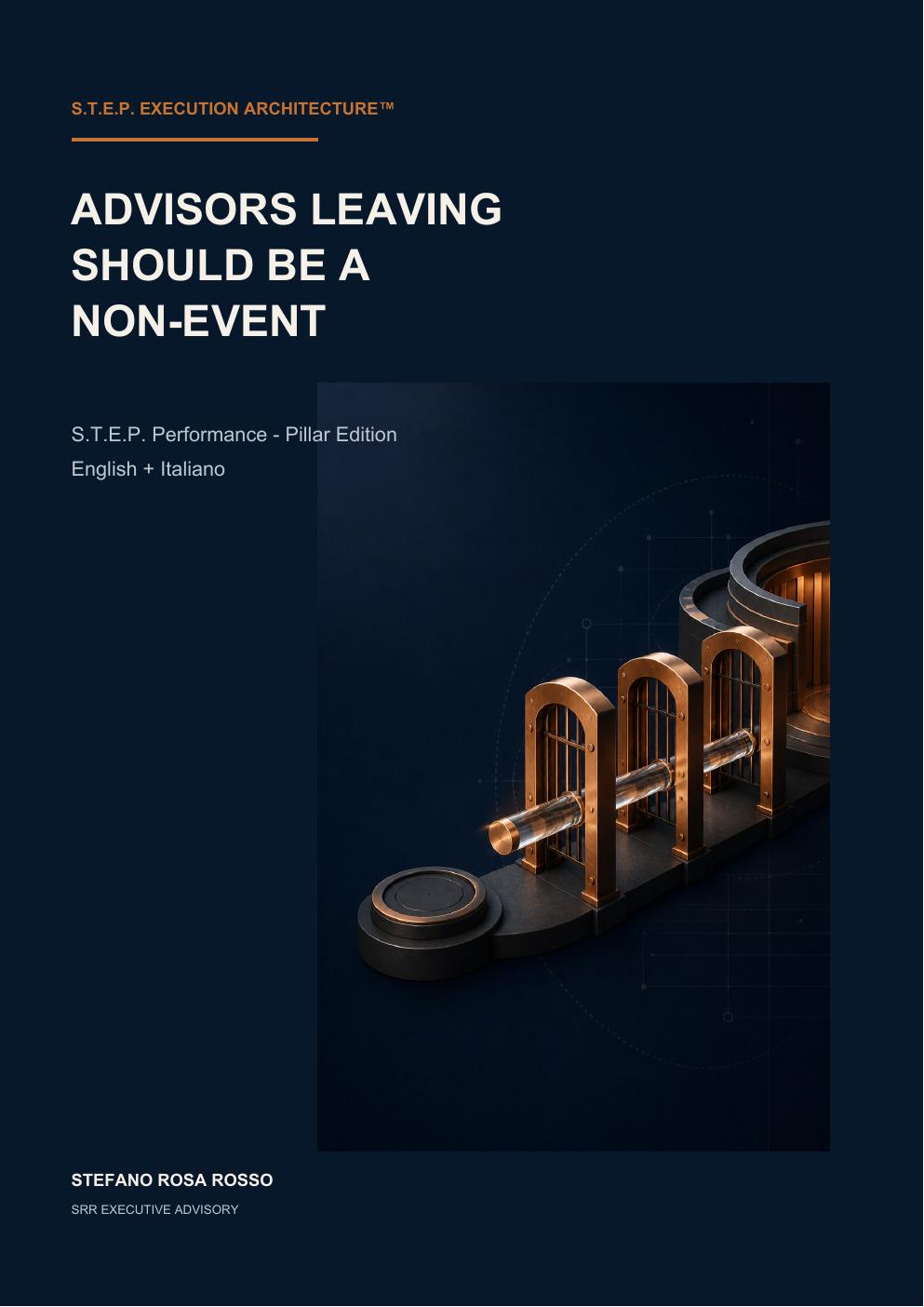
Performance
Read the original post on LinkedIn
The Capability Endurance Protocol requires an internal owner from the outset, the team running the process while the advisor corrects it, and formal KPI ownership before the final invoice. The S.T.E.P. Performance book connects this discipline with mandates including TIM. For CEOs, the evidence is a team that can operate and correct performance after external support ends. Stefano Rosa Rosso treats that capability as an acceptance condition, not a closing presentation. Read the guide. S.T.E.P. Diagnostic™ Briefing. Follow on LinkedIn.
Private Equity
PE Operating Partner — First 100 Days
Read the original post on LinkedIn
The First 100-Day Sequence sets days 1–30 for decision rights; days 31–60 for inherited-spend review; days 61–90 for ratifying strategic exclusions; and day 100 for verifying capability and internal ownership. For a PE operating partner, Stefano Rosa Rosso’s sequence connects the value-creation plan to the people authorised to execute it. Each stage needs evidence and an accountable owner; the final check tests whether the organisation can sustain the plan. Read the guide. S.T.E.P. Diagnostic™ Briefing. Follow on LinkedIn.
Boardroom Sparring
Q&A: What should a CEO bring to Boardroom Sparring?
Read the original post on LinkedIn
Q: What should a CEO bring to Boardroom Sparring? A: One consequential unresolved decision, the evidence supporting it and the authority needed to close it. The principle is decision-focused challenge: an independent counterpart examines assumptions and consequences while executive authority stays with the organisation. Stefano Rosa Rosso’s S.T.E.P. approach connects the discussion to strategic exclusions, external economics and internal capability. Read the guide. Boardroom Sparring. Follow on LinkedIn.